An older Stevie Wonder - still a full-time performance
Press Release Source: San Francisco Chronicle


Joel Selvin, Chronicle Senior Pop Music critic
 

Tuesday, August 28, 2007

That beautiful woman holding Stevie Wonder's arm as he walked onstage Sunday at Sleep Train Pavilion in Concord was no lady. That was his daughter, Aisha Morris, last heard as a giggling baby on "Isn't She Lovely," a song dad wrote to celebrate her birth, from his 1976 album, "Songs in the Key of Life."

When Wonder sang that song later in the 21/2-hour show on his first tour in more than 10 years, his daughter moved out of the chorus and sat down next to her father at the piano bench. Wonder choked up during the verse, stopped singing and just leaned his head back into his daughter's shoulder and cried.

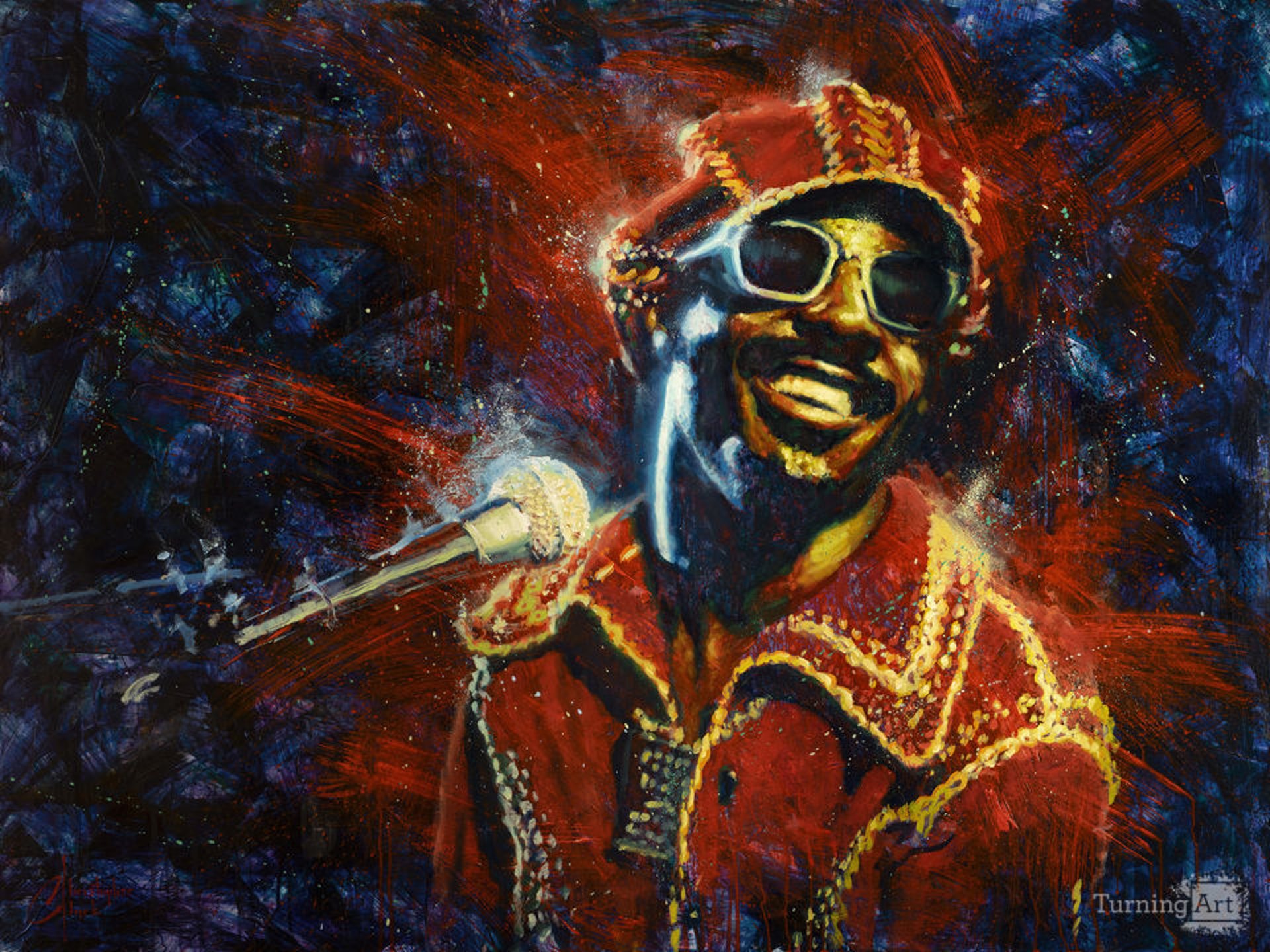
The entire show was an outpouring from Wonder. If he wasn't snapping off hit after hit, starting the next song right on top of the last, he was talking aimlessly but enthusiastically to the capacity crowd in the balmy night air and under the almost full moon. Backed by a powerful 11-piece band, the Master Blaster got rolling to the point where he didn't know how to end it. He just kept playing more songs - took a drum solo, even - and finally walked offstage. The house lights answered the audience's call for an encore.

He began the evening with just him and his daughter, standing in the middle of the stage, explaining how the death of his mother last year led him back to performing. His daughter sat beside him while at the piano, then he started "Love's in Need of Love Today," the song that also opened his 1976 landmark album, as the other musicians took their places behind him and slid into the song quietly after the first chorus.

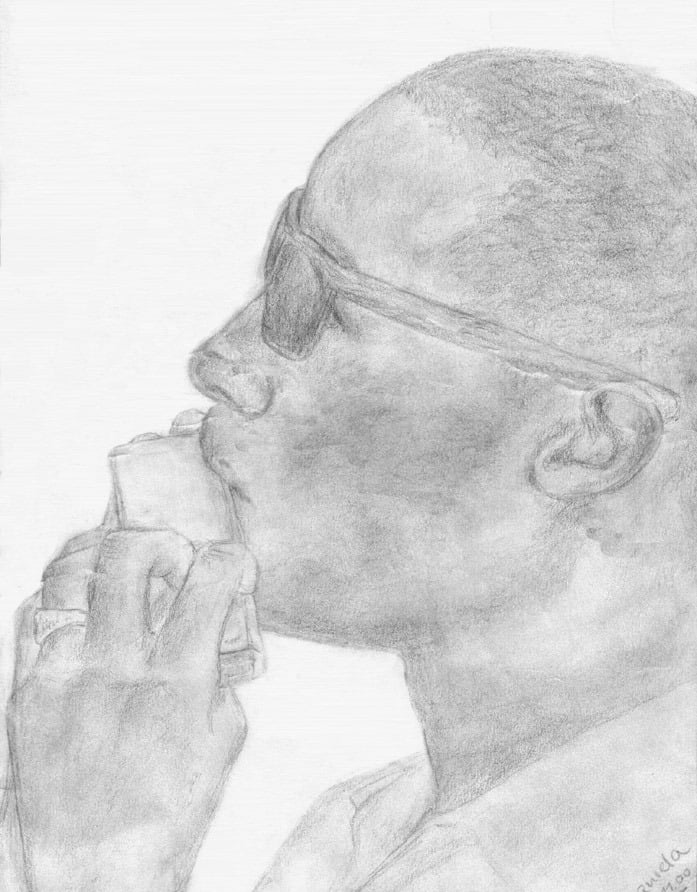
And when he pulled out the signature chromatic harmonica in the middle of the next song, the walloping "Too High," he connected with Little Stevie Wonder, that 13-year-old blind kid, all knobby knees and jutting elbows, blowing "Fingertips, Part Two" on "The Ed Sullivan Show."

He concentrated almost exclusively in the 24-song program on material from his golden days, bunching up ballads, then blasting end-to-end thumpers. Switching off between baby grand and his trademark Hohner electric clavinet, Wonder led the sleek, agile group of musicians through their smart paces, three percussionists charging up the rhythms, two keyboards besides Wonder fattening the sound. The nonexistent horn section was missed most severely on key songs such as "Signed, Sealed, Delivered," "Sir Duke" and "Superstition."

But Wonder kept the rich emotionalism of his music in the foreground of every song's performance, whether it was the jubilant "I Wish" or the ethereal "Ribbon in the Sky." His singing was a delightful mess of twitches, quirks, grumbles, bellows and some of the most joyous vocals this side of Ray Charles. He laces churning, propulsive melody lines on the keyboards straight through the heart of the songs and is also probably the only person in the world who can hold an audience spellbound goofing around on the talk box, guilelessly squeezing his voice into funhouse sounds and fooling with "I Heard It Through the Grapevine" or "Billie Jean."

He brought the show to a fevered peak with "Superstition." The audience followed his lead, singing P-Funk's "Give Up the Funk," as Wonder and band slammed into "Do I Do" and Wonder climbed atop his piano bench, waving his arms and shouting like a gospel singer.

He was almost exhausting with his gifts on extravagant display, but that's always been part of the Stevie Wonder experience. At the height of his powers in the '70s, when he was spitting out double-record sets what seemed like every few months and touring to overstuffed arenas, he put on marathon performances that rivaled the Grateful Dead's in length. He just has so much to say.

The older, more mature Wonder may be somewhat more focused, but he still takes great relish in exploring those gifts.

E-mail Joel Selvin at jselvin@sfchronicle.com.

This article appeared on page E - 1 of the San Francisco Chronicle