Celebrating
the Legacy of
Explore his discography, biography, news, and upcoming tours, all in one place.
Stevie Wonder
About the Wonder
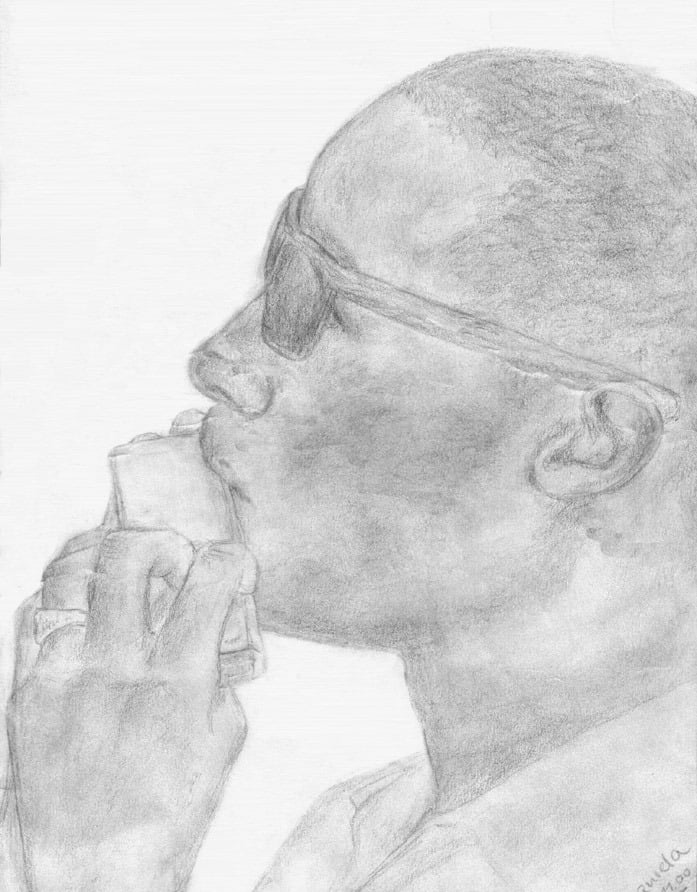
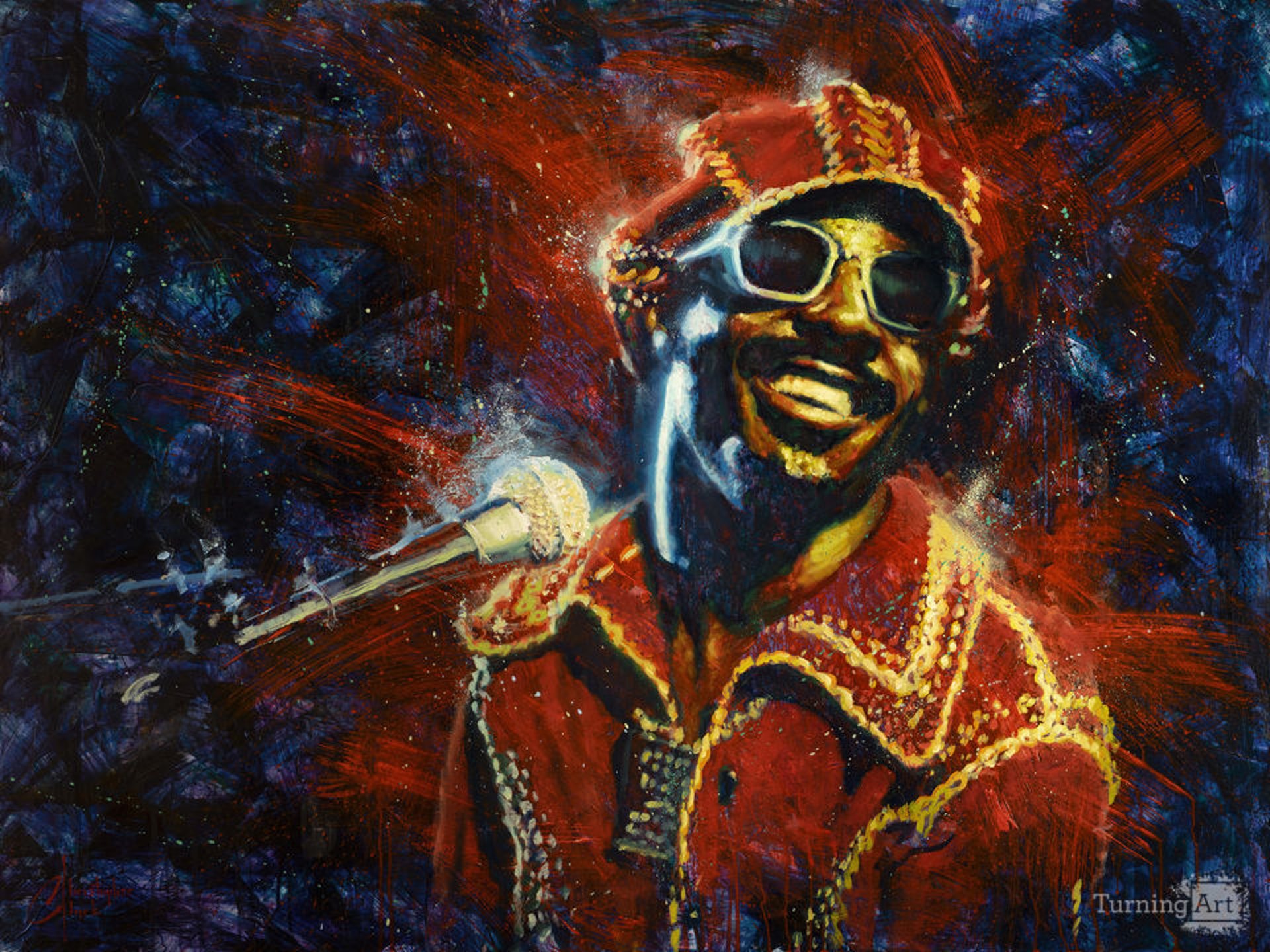
Stevie Wonder has had a unique career as a singer, composer, instrumentalist, performer and humanitarian. After his early years with Motown, who signed him up as 'Little Stevie Wonder' aged eleven, he gradually released a striking array of innovative music that would influence the world of contemporary music as we know it today.
Born in 1950, two months premature, Stevie was placed in an incubator for life support. However an excess of oxygen resulted in the scarring and detachment of his retina leading to a condition known as Retinopathy of Prematurity.
In 1963, aged thirteen, he had his first US number 1 hit single and album with the first live recording to ever top the charts. He is still the youngest person to have reached those number 1 spots.
Stevie's Latest Single
Can We Fix Our Nation's Broken Heart
Music by Stevie Wonder
Lyrics by Stevie Wonder and Mauli Bonner
Produced & Arranged by Stevie Wonder
Vocals, Keyboards, Piano, Bass, Harmonica, Drums, Percussion, Harpeji - Stevie Wonder
Acoustic Guitar - Kay-Ta
Read New Stevie Wonder Biography Have Eyes to Wonder
Contact Us
Reach out for inquiries about Stevie Wonder's music and tours.